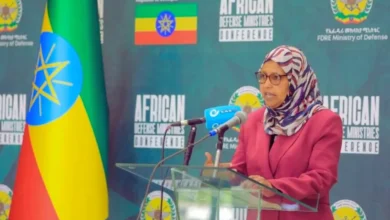
Ethiopia Election 2026: Latest Updates, Political Analysis, Candidates, and Voting Process Explained

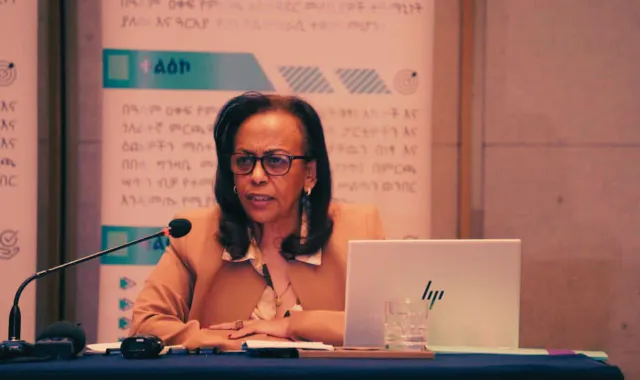
The year 2026 stands as a monumental milestone in the democratic journey of the Federal Democratic Republic of Ethiopia. As the nation prepares for its general elections, the atmosphere in Addis Ababa and across the regional states is one of intense anticipation, rigorous debate, and systemic transformation. This election is not merely a scheduled constitutional requirement; it is a litmus test for the stability of the Horn of Africa’s most populous nation and a referendum on the “Medemer” philosophy championed by the incumbent administration. Since the last major electoral cycle, Ethiopia has navigated internal conflicts, massive economic shifts, and a reconfiguration of its regional alliances. Now, the 2026 polls offer a decisive moment for citizens to shape the trajectory of their country for the next half-decade.
Political Context and Election Atmosphere
Political analysts suggest that the 2026 elections are significantly different from previous iterations. The National Election Board of Ethiopia (NEBE) has undergone extensive reforms to ensure technological integration, transparency, and a reduction in logistical errors that plagued past cycles. The “Latest Updates” from the ground indicate a surge in voter registration, particularly among the youth who are eager to voice their concerns regarding unemployment, digital access, and regional autonomy. Furthermore, the political space has seen the emergence of new coalitions, as opposition parties seek to provide a viable alternative to the dominant Prosperity Party.
The 2026 roadmap released by the NEBE emphasizes the importance of a peaceful transition and the inclusion of internally displaced persons (IDPs) in the voting process. Given the historical context of ethnic-based politics in Ethiopia, the government has intensified its “National Dialogue” initiatives ahead of the polls to mitigate tensions. This proactive approach aims to move the electoral discourse away from identity politics and toward policy-driven debates focused on infrastructure, healthcare, and education. As the campaign season heats up, the international community remains closely engaged, offering technical support and monitoring to ensure that the process adheres to international democratic standards.
Candidate Landscape and Political Dynamics
The candidate landscape for 2026 is a blend of seasoned veterans and a new generation of technocrats. While Prime Minister Dr. Abiy Ahmed remains the central figure of the incumbent Prosperity Party, he faces a multifaceted challenge from a diverse array of opposition figures. These candidates represent a spectrum of political ideologies, from those advocating for a more decentralized, ethnic-based federalism to those pushing for a purely civic-based national identity. The 2026 political updates highlight that the “Leadership Insights” required to govern such a diverse nation are more demanding than ever, requiring a delicate balance of economic pragmatism and social sensitivity.
To provide a structured view of the electoral landscape, the following table summarizes the key components and milestones of the 2026 electoral process:
Ethiopia Election 2026 Framework and Key Milestones
| Feature | Description | Scheduled Date / Status |
| Voter Registration | Biometric-supported enrollment for all eligible citizens | Completed (Phase 1 & 2) |
| Main Contenders | Prosperity Party, EZEMA, OFC, and Regional Coalitions | Candidates Certified |
| Voting Technology | Use of digital verification at major urban polling stations | 2026 Deployment |
| Total Seats | 547 seats in the House of Peoples’ Representatives | Election Day |
| Observation | AU, EU, and local civil society organizations | Monitoring Active |
The Political Landscape: Prosperity Party vs. The Opposition
The dominance of the Prosperity Party (PP) is the defining feature of the 2026 political landscape. Led by Dr. Abiy Ahmed, the party has campaigned on a platform of “National Greatness,” highlighting the completion of the Grand Ethiopian Renaissance Dam (GERD), the modernization of Addis Ababa, and the successful navigation of recent economic reforms. Their message is one of continuity—arguing that the reforms initiated in 2018 need more time to fully bear fruit. However, the PP is not a monolith; it must manage the internal dynamics of its regional wings, ensuring that the Oromo, Amhara, and Southern branches remain aligned with the national vision.
On the other side, the Ethiopian Citizens for Social Justice (EZEMA) and the Oromo Federalist Congress (OFC) represent significant ideological challenges. EZEMA continues to advocate for a “Citizenship-based” politics that de-emphasizes ethnic divisions, focusing instead on institutional strength and judicial independence. Meanwhile, the OFC and other regionalist parties argue that the current administration’s push for centralization threatens the self-determination of Ethiopia’s diverse nations and nationalities. This ideological tug-of-war is the primary driver of the 2026 election debates.
Electoral Reforms and NEBE’s Role
The National Election Board of Ethiopia (NEBE) has implemented several reforms to improve the voting process. One of the most significant updates is the introduction of a robust biometric voter verification system. This technology eliminates double-voting and ensures accurate voter rolls. Additionally, the NEBE has decentralized operations, increasing the number of polling stations in remote areas.
Transparency has been a major focus. The NEBE launched a digital portal where citizens can track election results in real-time. The board has also worked with media outlets to ensure fair coverage for all candidates, aiming for an inclusive and credible process that can be accepted by all stakeholders.
Economic Policy as a Voting Priority
The 2026 election is heavily influenced by economic concerns. Ethiopia has undergone a massive transition toward a market-oriented economy, including the liberalization of the banking and telecommunications sectors. Urban voters are concerned with high inflation and living costs, while rural voters focus on land rights and agricultural subsidies.
Candidates are required to provide detailed plans on managing currency flotation and debt restructuring programs. The Prosperity Party cites foreign investment and manufacturing growth as successes, while opposition parties advocate for more “pro-poor” strategies.
The Role of Youth and Digital Electorate
The youth vote is crucial because more than 70% of Ethiopians are under 30. This digital-native generation demands jobs, digital access, and global integration. Social media platforms like TikTok, Telegram, and Facebook are central to political campaigns. Both the government and opposition use these platforms to mobilize support, making the balance between security and digital freedom critical.
Regional Security and Voting Integrity
Security is a concern in specific regions. While the 2022 Pretoria Agreement ended hostilities in the north, instability persists elsewhere. The Ethiopian National Defense Force (ENDF) and regional police have been deployed to secure polling stations. The NEBE has introduced mobile polling stations and specialized protocols to protect voters in high-risk areas.
Voting Process: Step-by-Step
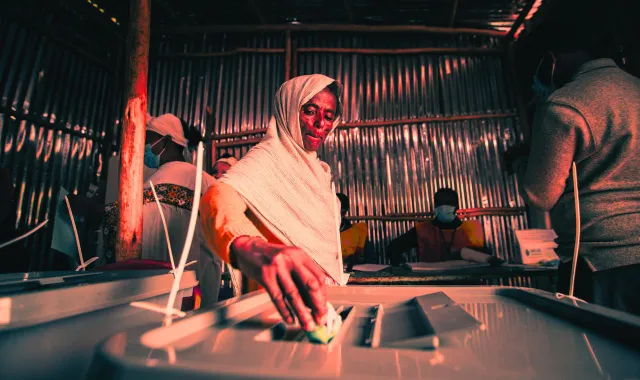
- Citizens present their biometric voter ID at registered polling stations.
- Two ballots are issued: one for the federal House of Peoples’ Representatives (HPR) and one for the Regional State Council.
- Specialized assistance is available for elderly and disabled voters, including braille ballots.
- Counting begins at the polling station immediately after polls close, with observers present.
- Decentralized counting prevents tampering during transport to central hubs.
International Observation and Global Impact
The 2026 Ethiopia Election is closely monitored by the AU, EU, and international NGOs. Observers evaluate the fairness of the process and its interaction with transitional justice mechanisms. The election’s credibility affects foreign investment, development aid, and Ethiopia’s standing in BRICS+ and other international alliances.
The Significance of the House of Peoples’ Representatives
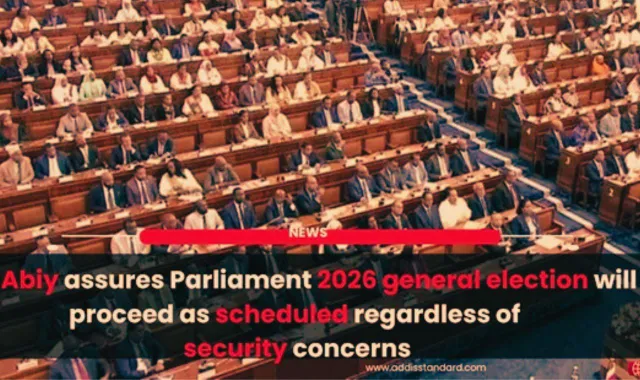
The 547 HPR seats are critical. The majority party forms the government and names the Prime Minister. Independent candidates are increasing, reflecting voter interest in alternatives to major parties. A strong opposition ensures executive accountability and influences policy, judicial appointments, and the federal budget.
Media Coverage and Combating Misinformation
Media coverage is central to the 2026 election. Guidelines emphasize fact-checking and responsible reporting. AI-generated content and deepfakes pose new challenges. The NEBE and cybersecurity agencies have created a digital “Truth Commission” to counter misinformation quickly.
Infrastructure and Logistics
Ethiopia’s geography makes logistics challenging. Expanded roads, the Ethio-Djibouti railway, helicopters, and drones ensure ballot delivery to remote areas. Coordination between civilian and military agencies highlights Ethiopia’s organizational capacity and readiness for large-scale events.
The Role of Women in the 2026 Election
Women are running for office at an unprecedented rate. Voluntary quotas and high-level precedents from the Abiy administration have increased female participation. Studies show women legislators prioritize health, education, and welfare, promoting unity over division. The 2026 election could result in the most gender-balanced parliament in Ethiopia’s history.
Post-Election Expectations and Governance
After the election, the winning party will implement National Dialogue recommendations and continue economic modernization. With the GERD operational, focus will shift to industrialization and exporting Ethiopian products. Post-election governance will test political maturity, willingness to compromise, and ability to integrate opposition voices.
FAQs
Q: When exactly is the 2026 Ethiopia General Election scheduled to take place?
The general election is scheduled for mid-2026, following the constitutional timeline set by the House of Peoples’ Representatives and the National Election Board of Ethiopia.
Q: Who are the primary candidates for the position of Prime Minister?
Under the parliamentary system, the Prime Minister is elected by the winning party in the HPR. The main contenders are Dr. Abiy Ahmed (Prosperity Party), alongside leaders from EZEMA and the Oromo Federalist Congress (OFC).
Q: How has the voting process been updated to prevent fraud in 2026?
The election utilizes biometric voter verification, real-time digital result tracking, and thousands of local and international observers at polling stations.
Q: Can Ethiopians living abroad vote in the 2026 election?
While diaspora voting is being explored in pilot programs, the majority of the voting process is conducted within Ethiopia.
Q: What happens if no single party wins a majority in the House of Peoples’ Representatives?
A coalition government must be formed, involving negotiations between the largest party and smaller regional or ideological parties to reach the 274-seat threshold.
Q: How is the government ensuring the safety of voters in conflict-prone areas?
The “Secure Vote” initiative coordinates ENDF and regional police security, coupled with pre-election peace dialogues with community leaders.
Q: What is the significance of the 2026 election for the GERD and regional water politics?
A stable 2026 government ensures continuity in negotiations with Egypt and Sudan and the operational frameworks for the dam and regional energy trade.
Conclusion
The 2026 Ethiopia Election is far more than a counting of ballots; it is a profound expression of the nation’s aspirations. From the highlands of Tigray to Addis Ababa and the southern plains, citizens are engaging in a democratic exercise with continental implications. This election represents the culmination of years of reform, struggle, and hope. Whether the Prosperity Party secures a new mandate or a coalition emerges, the real winner is the Ethiopian people and the institutions that safeguard their rights. The integrity of the voting process, candidates, and acceptance of results will determine Ethiopia’s path toward a unified, democratic, and prosperous future.