
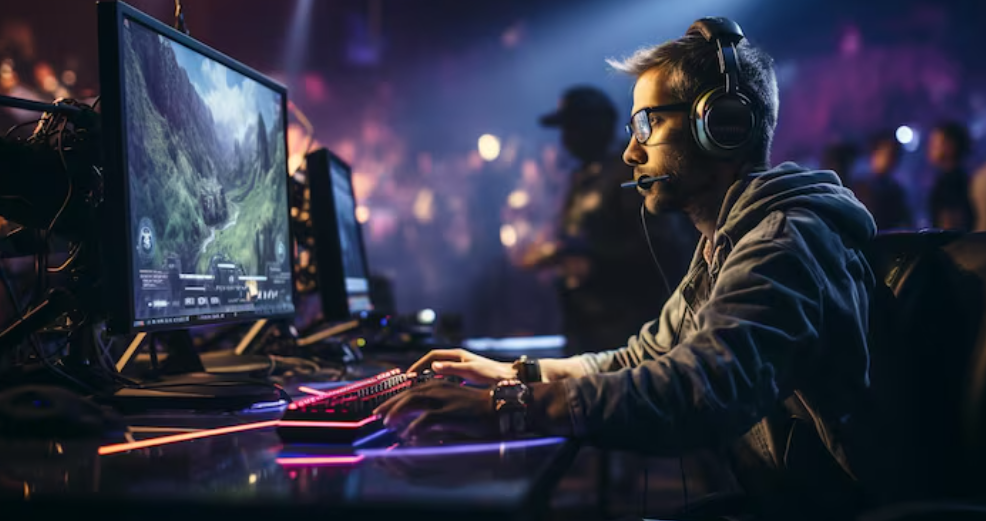
Online gaming has moved far beyond being a niche hobby associated mainly with consoles or dedicated gaming computers. It has become part of a much broader digital ecosystem that includes smartphones, social platforms, cloud services, live streaming, digital payments, virtual communities, and competitive entertainment.
What makes this shift especially significant is that online gaming is not being driven by a single technology or temporary consumer trend. Instead, several long-term changes in how people connect, spend time, and use digital services are reinforcing its growth.
Understanding these forces helps explain why online gaming is likely to remain an important part of the digital landscape for years to come.
Wider Access to Gaming Technology
One of the strongest reasons online gaming has become a lasting trend is accessibility. In the past, playing sophisticated multiplayer games often required an expensive console, a capable computer, and physical sbobet game discs. Today, many users can access games directly through smartphones, tablets, browsers, and relatively affordable devices.
Mobile gaming has been particularly important because smartphones are already integrated into everyday life. Players do not necessarily need to purchase dedicated gaming hardware before participating. Free-to-play models have also lowered the entry barrier by allowing people to begin playing without paying an upfront purchase price.
Gaming Has Become More Social
Modern online games increasingly function as social environments rather than isolated forms of entertainment.
Players can communicate through voice chat, text messaging, cooperative missions, competitive matches, guilds, clans, and community events. For many users, logging into a game is also a way to spend time with friends or meet people with similar interests.
Online communities also extend beyond the games themselves. Players discuss strategies on forums, watch gaming streams, share clips on social media, and participate in online fan communities. Gaming therefore becomes part of a wider digital routine rather than a single activity.
Continuous Content Keeps Games Relevant
Traditional video games were often sold as finished products. Developers released a game, consumers bought it, and significant new content usually arrived only through sequels or expansion packs.
Online gaming has changed that model.
Many modern games operate as continuously updated services. Developers introduce new maps, characters, competitions, challenges, storylines, cosmetic items, and seasonal events. These updates give existing players reasons to return while helping games attract new audiences.
Regular content also enables developers to respond to player behavior. Features can be adjusted, technical problems fixed, and gameplay systems refined over time. As a result, successful online games can evolve for years instead of disappearing shortly after release.
Multiple Revenue Models Support the Industry
Online gaming has also developed a diverse digital economy.
Revenue no longer comes exclusively from selling full games. Depending on the platform and genre, companies may generate income through subscriptions, downloadable content, cosmetic purchases, battle passes, advertising, virtual currencies, or optional premium features.
This flexibility allows developers to serve different types of players. Some people may prefer purchasing a complete slot gacor game, while others are comfortable playing free titles and occasionally spending money on optional content.
The broader gaming ecosystem also includes competitive gaming, content creation, streaming, digital marketplaces, and gaming-related services. The result is an interconnected economy that gives publishers and technology companies strong incentives to continue investing in the sector.
Technological Innovation Continues to Expand Possibilities
Online gaming frequently benefits from developments occurring elsewhere in the technology industry.
Cloud computing, for example, can reduce dependence on powerful local hardware by processing parts of the gaming experience remotely. Improvements in graphics technology create more realistic environments, while artificial intelligence can support more sophisticated game systems and adaptive experiences.
Cross-platform functionality is another important development. Increasingly, players expect to access the same gaming community from different devices. A person using a computer may be able to interact with friends using consoles or mobile devices.
Different Types of Players Can Find Suitable Experiences
Another strength of online gaming is its variety.
The category includes competitive shooters, strategy games, sports simulations, role-playing titles, social games, puzzles, racing games, multiplayer adventures, and many other formats. Some games require long sessions and considerable skill, while others are designed for short, casual play.
Digital gaming platforms also allow users to explore different formats according to their preferences. Someone researching competitive titles may focus on rankings and tournaments, while another person exploring platforms such as [provided anchor] may be more interested in understanding how different online gaming environments, features, or entertainment models operate.
Because the industry does not depend on a single demographic or gaming style, changes in consumer preferences are less likely to eliminate demand entirely.
Gaming Fits Broader Digital Lifestyle Changes
Perhaps the most important factor is that online gaming aligns with wider changes in digital behavior.
People increasingly communicate, shop, watch entertainment, manage finances, learn, and work through connected platforms. Gaming naturally fits into this environment because it combines digital entertainment with interaction, personalization, competition, and community.
Younger generations who grow up using connected devices are also likely to view digital gaming as an ordinary entertainment option rather than a specialized technological activity.
At the same time, the audience for gaming is becoming more diverse. Casual mobile players, competitive gamers, parents, working adults, students, content creators, and spectators can all participate in different parts of the ecosystem.
Conclusion
Online gaming has developed into much more than a temporary entertainment trend. Its long-term strength comes from the combination of widespread device access, social interaction, continuously updated content, flexible business models, technological development, and a diverse global audience.
Individual games and platforms will inevitably rise and fall in popularity. However, the larger behavior behind them is unlikely to disappear. As digital connectivity becomes more deeply integrated into everyday life, online gaming is positioned to remain one of the major ways people interact, compete, socialize, and entertain themselves in connected environments.